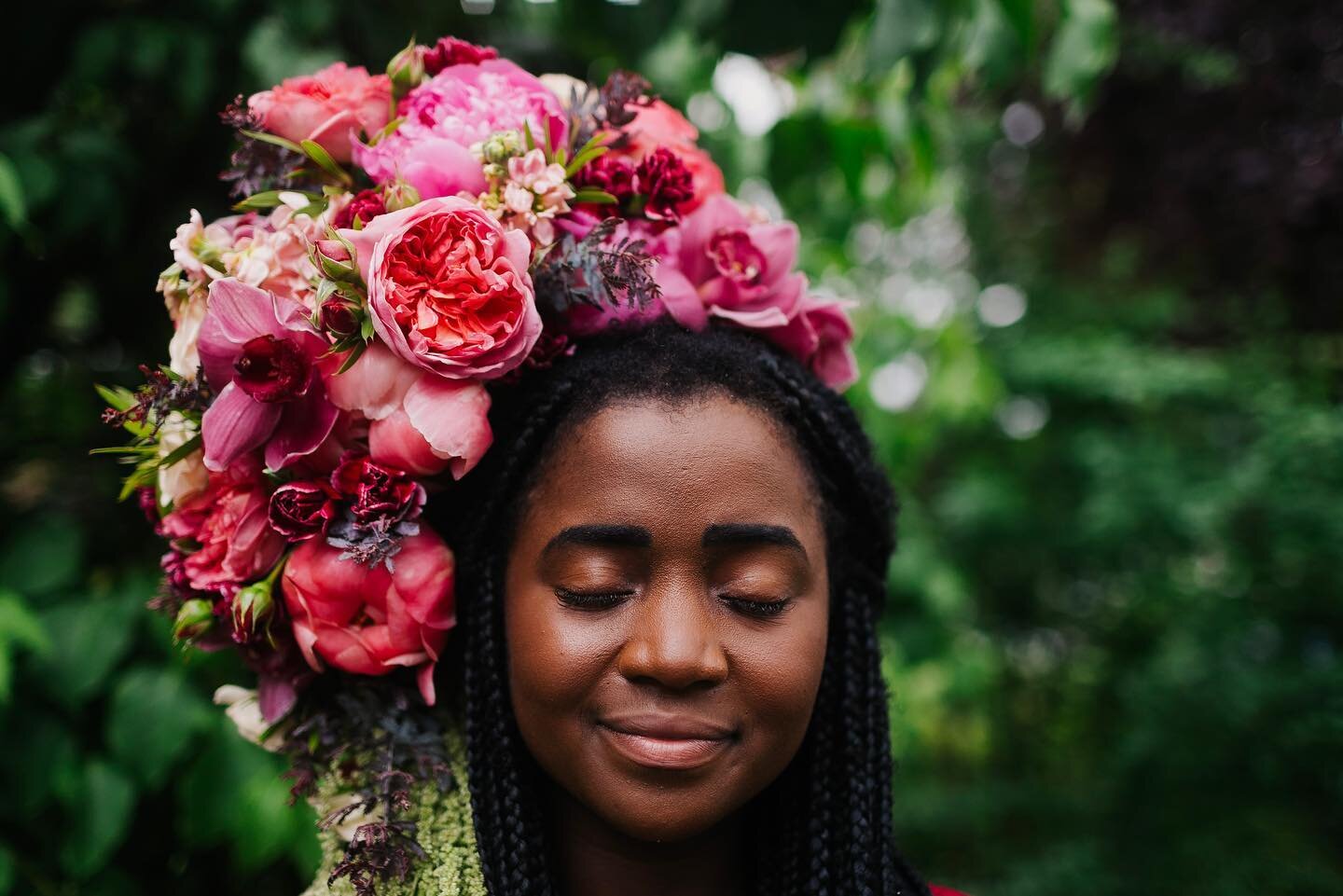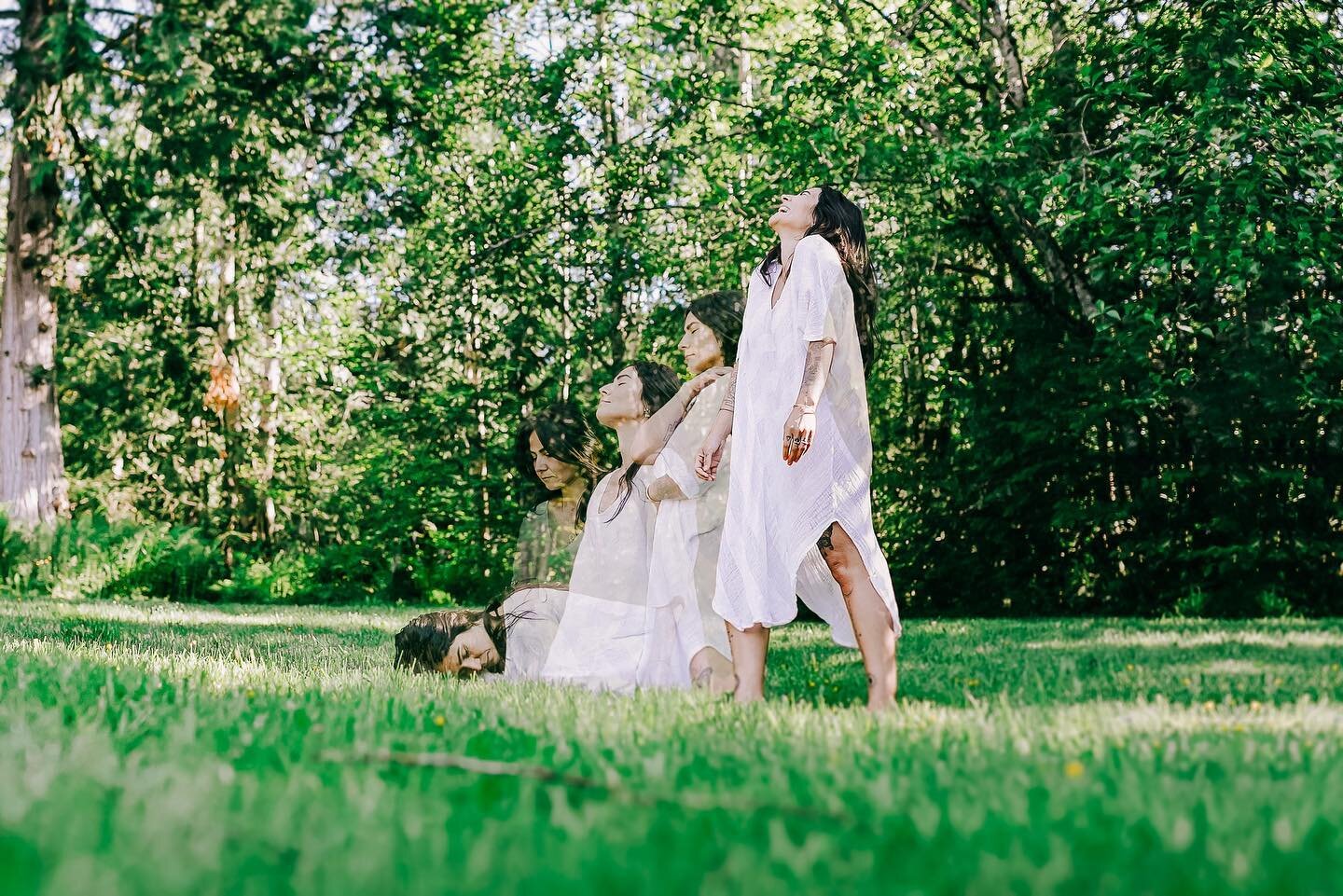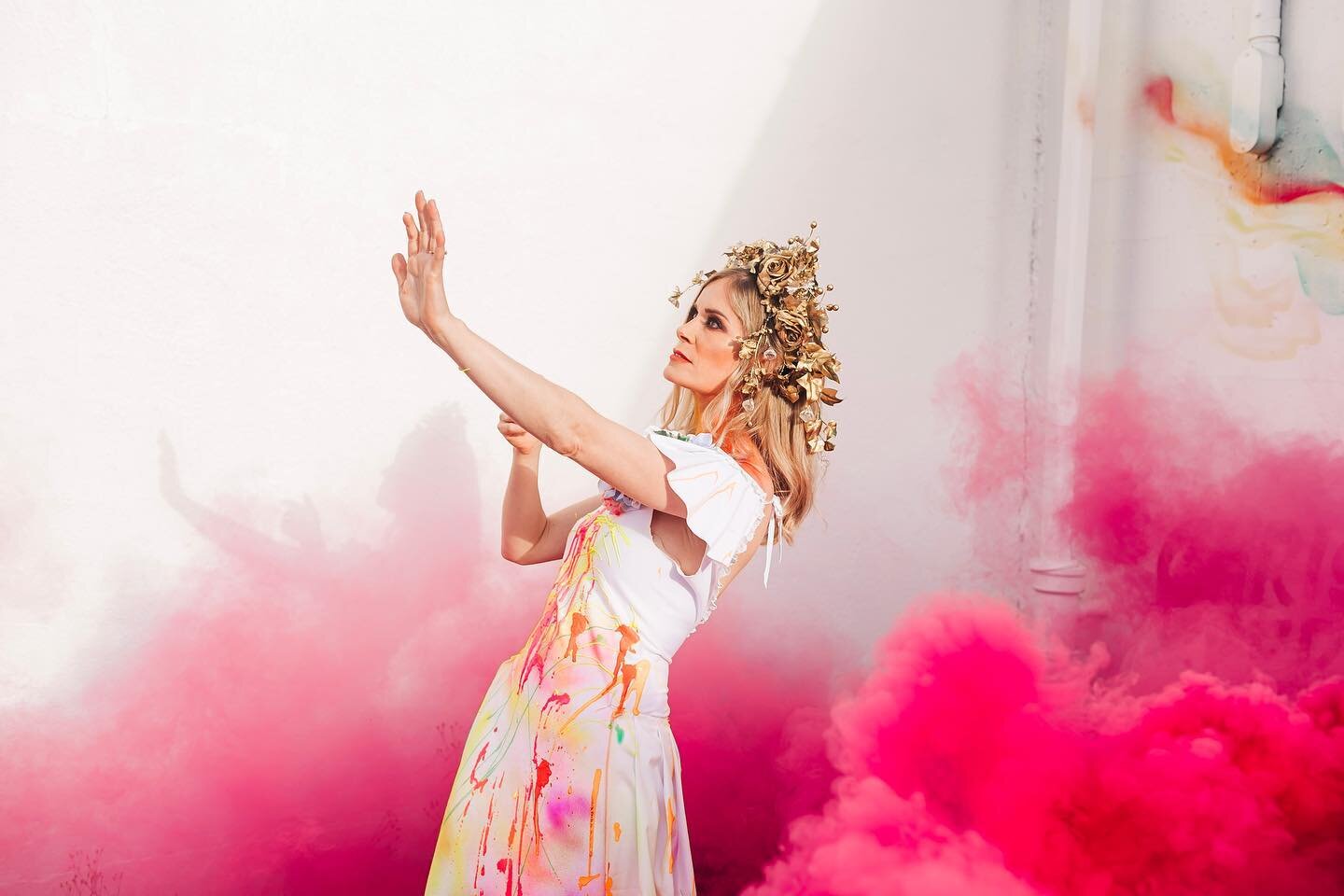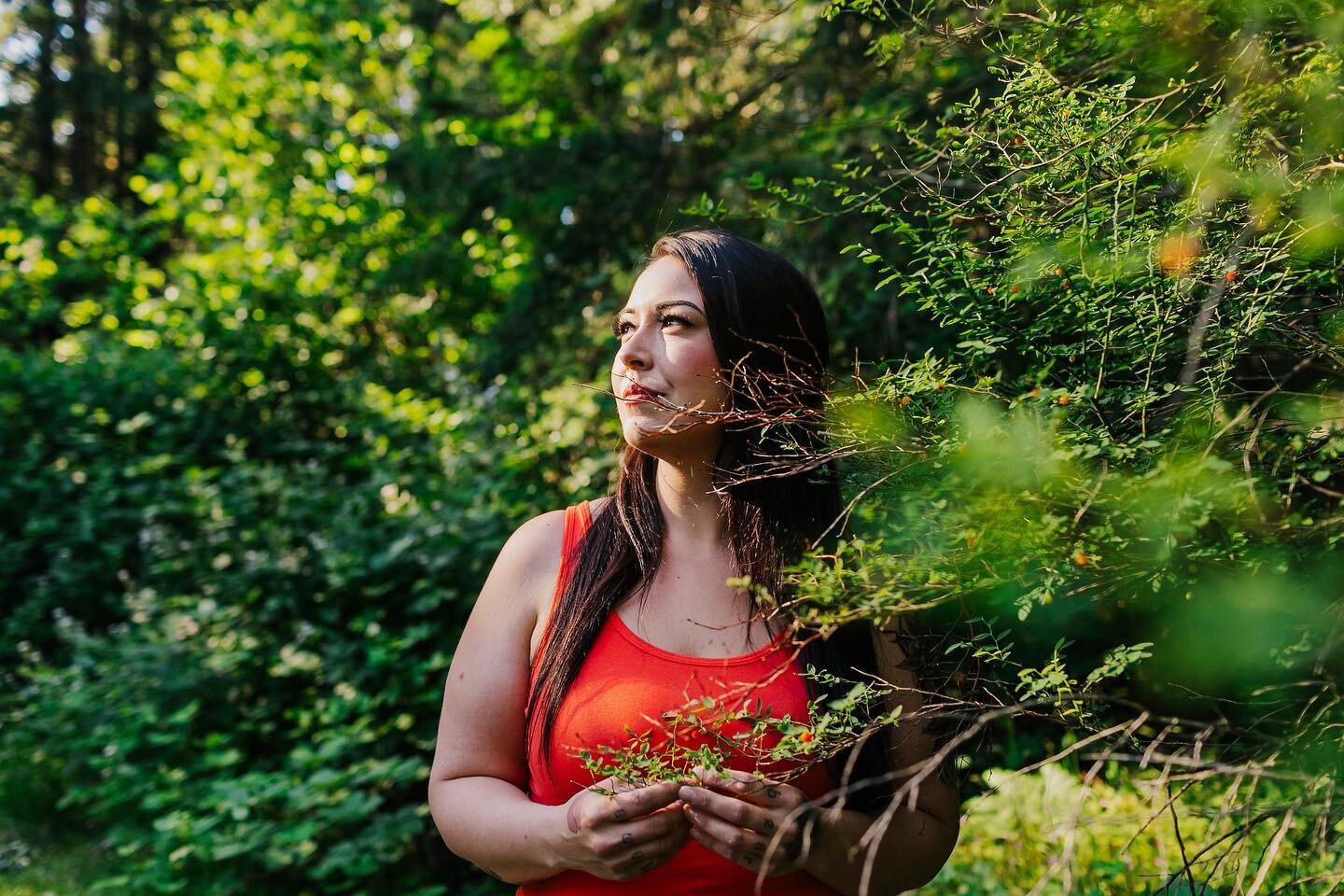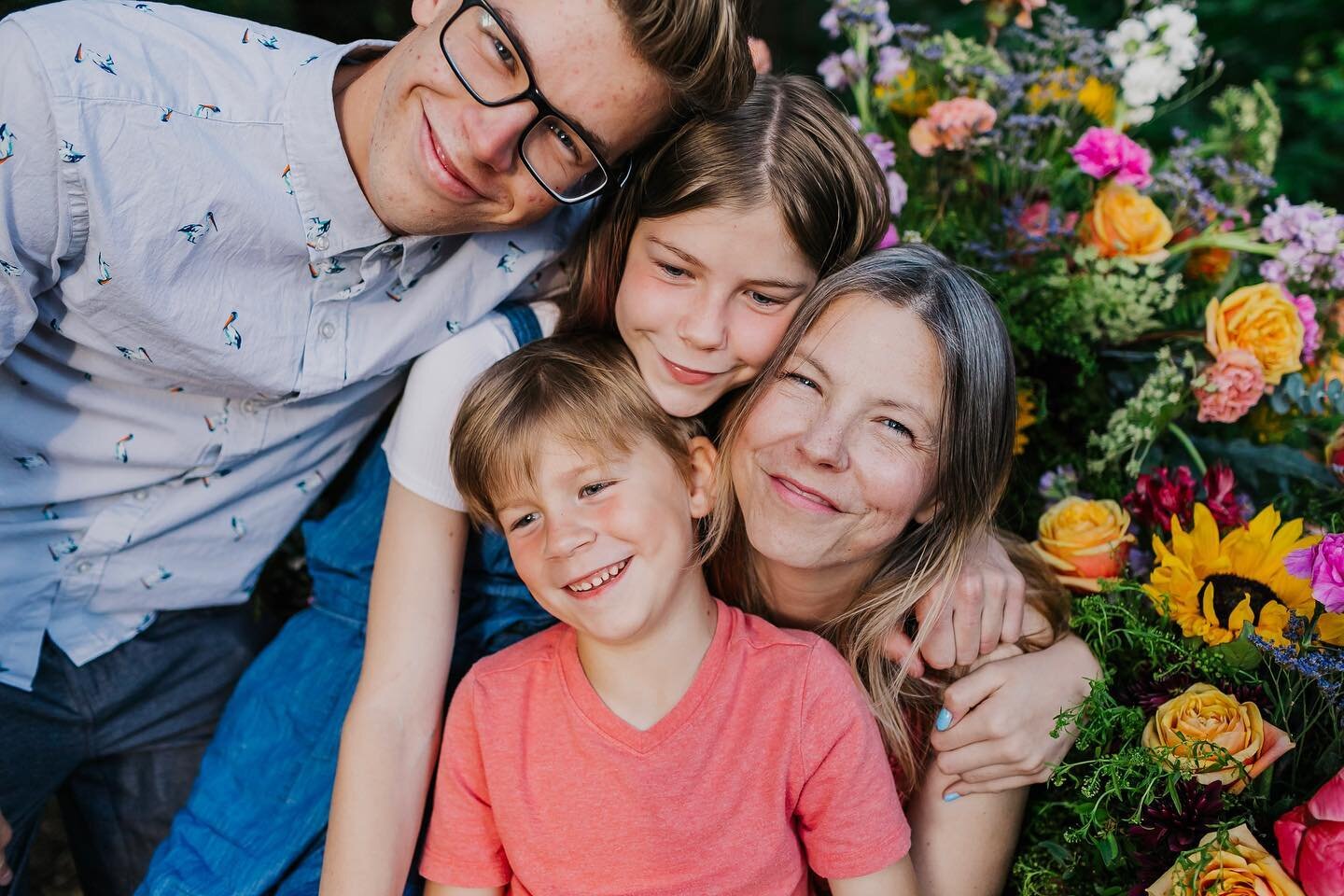

How We Self Care: My Plants Take Care of Me with Alyssa Campbell

How We Self Care: A Series of Photo Essays Exploring Individual Rituals of Self Care from a Female-Identifying Perspective by Sarah Sovereign

“Discovering our needs and the voices of our body and spirit and what they are asking for is a unique and individual journey - and I truly believe that recognizing and giving space to listen, explore and develop this is an act of self care in and of itself. ”
I’m so excited to present the second installment from an ongoing series of photo essays that explore individual rituals of self care.
About these Photo Essays: This project began when I started recognizing marketing around the concept of self care - especially marketing geared towards women - that seemed to summarize acts of self care as treats to be purchased, and/or overwhelming missives of things we “should” be doing to cope with expectations of busyness, the hustle, ingrained capitalism, the pressure to stay plugged in, perfect, et al. While I believe that every act of care we give to ourselves - big or small - is a triumph, I also believe that self care goes deeper. It doesn’t begin and end with self-soothing - self care is not always easy, or easily accessible to all. For example, it can also involve us nurturing ourselves through the ecosystems in which we thrive, caring for ourselves via caring for the air we breathe into our lungs, the earth that supports us, the plants that nourish us - and so much more. Discovering our needs and the voices of our body and spirit and what they are asking for is a unique and individual journey - and I truly believe that recognizing and giving space to listen, explore and develop this is an act of self care in and of itself.
The concept of this project grew from wanting to tell stories from a unique female-identifying perspective about some of the individual ways in which we engage in self care.
In documenting these self care rituals, I engage with a self care ritual of my own: visual storytelling. I am often compelled to make & create projects, and being able to document processes has always brought me peace. The interesting thing to me about this project is that it engages my own desire for self care as well, but doesn’t involve purchasing a product, or a list of things I should be doing to keep up. Instead, it mingles with the parts of myself that will always be fascinated by rituals of soothing, nurturing, connection and creation - while documenting the very real and incredibly individual stories of how we define care.
This is an ongoing series, and will slowly be developing over the next year or two.
“it was a flurry of beautiful activity, a process of care & emotional intention. I documented it as it happened, and we didn’t stop often - in some ways, it was almost as if I wasn’t there. There was an inward focus that felt, to me, very therapeutic - this mindful intensity for each individual nurtured planting, from the root of every marigold, to the heart of every seed.”
One thing that’s been very important to me in developing this project is being able to hear the stories from the subjects - and so the words to follow were written by Alyssa Campbell, a local baker. For our shoot, on a really rainy May day, she brought all of her planters and plants, en masse, to Gwynne Vaughan Park. She brought so many that someone thought we were holding a plant sale. I watched as Alyssa poured so much into each planter - it was a flurry of beautiful activity, a process of care & emotional intention. I documented it as it happened, and we didn’t stop often - in some ways, it was almost as if I wasn’t there. There was an inward focus that felt, to me, very therapeutic - this mindful intensity for each individual nurtured planting, from the root of every marigold, to the heart of every seed.
My Plants Take Care of Me
By: Alyssa Campbell
“Plants, like our souls, mind, and body need care, positivity, sunlight, devotion, and nutrients. As I apply these things to my garden I am in turn also applying them to myself.”
I'm such a sentimental person and I save everything and this also gets channeled into gardening for me. Keeping the seeds over all the seasons brings me so much pride. I can say generations of marigolds have grown in my gardens
To be able to grow plants and vegetables to share with my loved ones is a really good feeling because I put so much time and love into my plants it's a really (or at least I feel) precious gift.
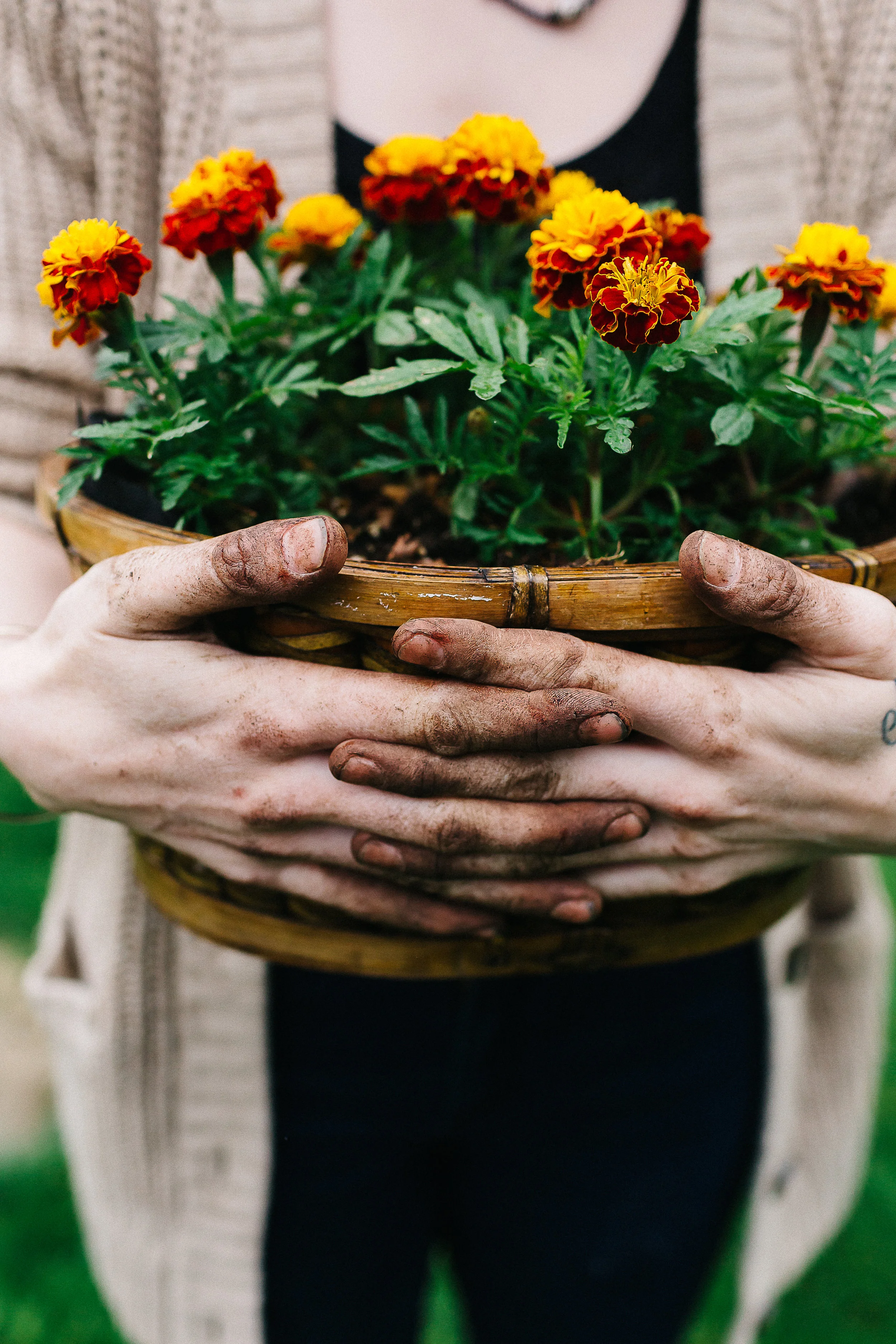
My history of gardening all began up the east side of Harrison Lake 22 km and 40 minutes outside of town where my family and I lived for almost 7 years. My first memory of anything to do with plants is planting a peony with my Nanan and the greenhouse my dad and Papa (his dad) built. My mom and Nanan worked in that greenhouse and it was pretty full of veggies, mostly tomatoes. I admit I never wanted to help out or be involved with it at the time ( I had quite the bad attitude as a child) but I know that those memories are what planted the seed of my love for gardening. (Pun definitely intended.) I am not a pro but I've been using the internet and winging it and loving it and that's all I need.
Four years ago, before I had my daughter, Chloe, I worked a lot. I have always been a little bit of a workaholic, so when I went on mat leave I found that I had way too much time on my hands. I struggled with postpartum depression, anxiety, and really lost what it looked like to take care of myself while trying to care for everyone else around me. I have learned that because I have these workaholic tendencies being productive, completing tasks, and achieving goals brings me peace.
Self-care to me is body, mind, and soul.
Our world is so fast paced: screens, phones, jobs, social media can all trigger anxiety and racing thoughts. Its so important to take time to slow down, calm your thoughts and care for your mind. So when I'm feeling down, anxious, or when my thoughts are overwhelming, instead of letting my anxieties whirl out of control I turn to my garden. Taking care of my garden is a reflection of taking care of myself.
Plants, like our souls, mind, and body need care, positivity, sunlight, devotion, and nutrients. As I apply these things to my garden I am in turn also applying them to myself.
Being outside in the sunshine improves mood and stimulates body's production of vitamin C, and sunlight and mood elevators are so important for people struggling with depression. When you are down it's hard to bring yourself up, but I've found that when I put myself into a natural atmosphere with sun, beauty, and nice garden smells, I feel better. I also completely believe in talking to plants. Outputting and surrounding yourself with positive affirmation aloud is not only good for the plant’s growth but it's good for one’s self-esteem - not to mention the hard labour it takes to tend to a fully thriving garden.
“I know that gardening makes me feel calm, productive, proud of my plants and myself, and I get excited like a child when I see my first sprouts. So, when I’m feeling anxious and my thoughts are overwhelming me, I go outside. I get my hands dirty, rally my thoughts, and busy my mind. My plants are my babies and knowing that they need me to flourish motivates me to get out there and take care of them.”
I know that gardening makes me feel calm, productive, proud of my plants and myself, and I get excited like a child when I see my first sprouts. So, when I'm feeling anxious and my thoughts are overwhelming me, I go outside. I get my hands dirty, rally my thoughts, and busy my mind. My plants are my babies and knowing that they need me to flourish motivates me to get out there and take care of them.
A garden can be a whole job in itself so I keep myself focused - complete tasks, water, feed, transplant, and get to the end result: a beautiful productive garden. It's exciting to see each new stage and it brings happiness to my heart.

“1. Time to get your hands dirty! Preparing the soil. I usually use a mix a miracle grow dirt and then a cheap $2 bag of top soil from Superstore or Walmart.”
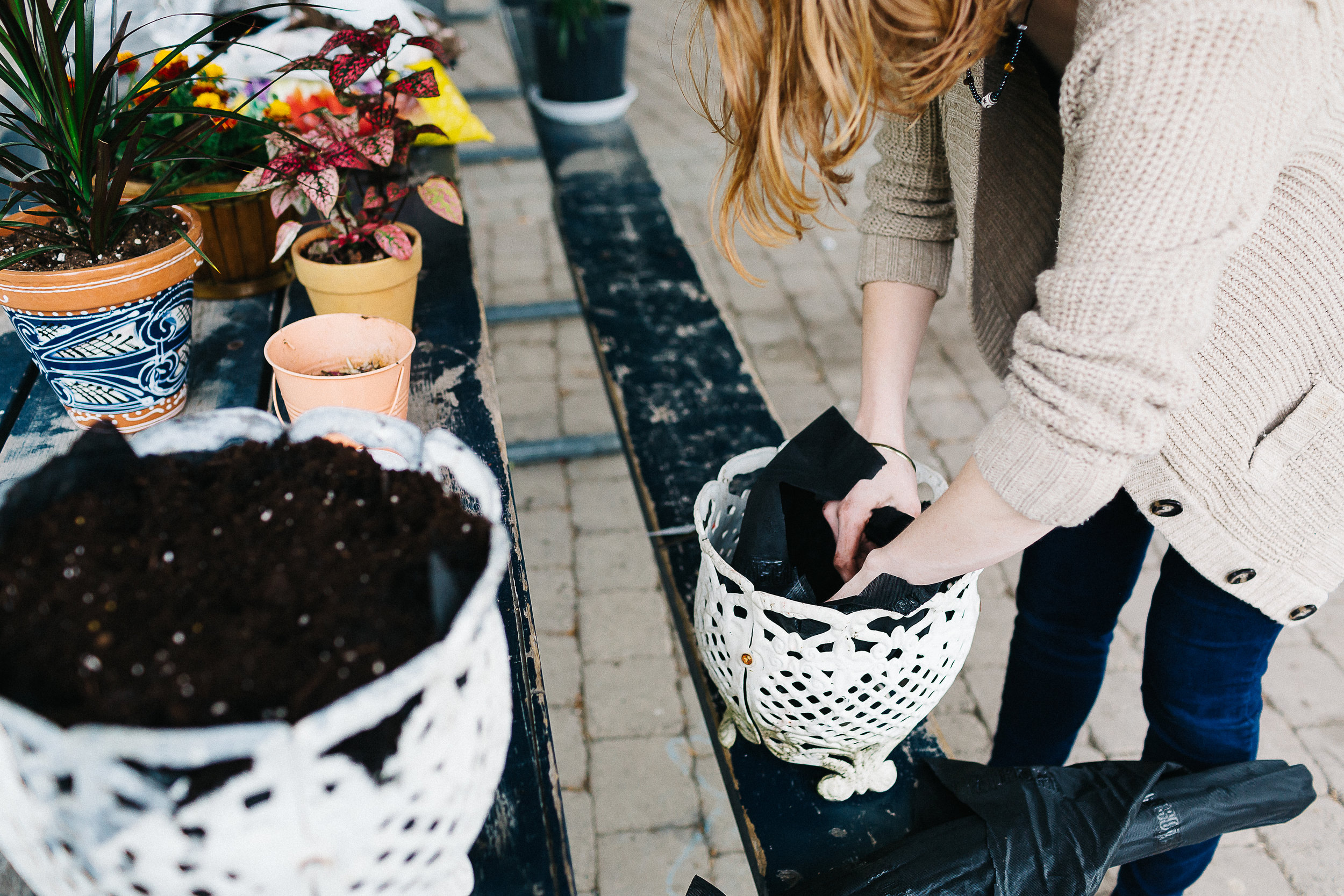
“2. These particular planters have holes in them, so I line them with landscaping material to hold the dirt in.”

3.

“4. 3rd generation marigold seeds. Featuring cat hair, dog hair, and petals from other flowers.”
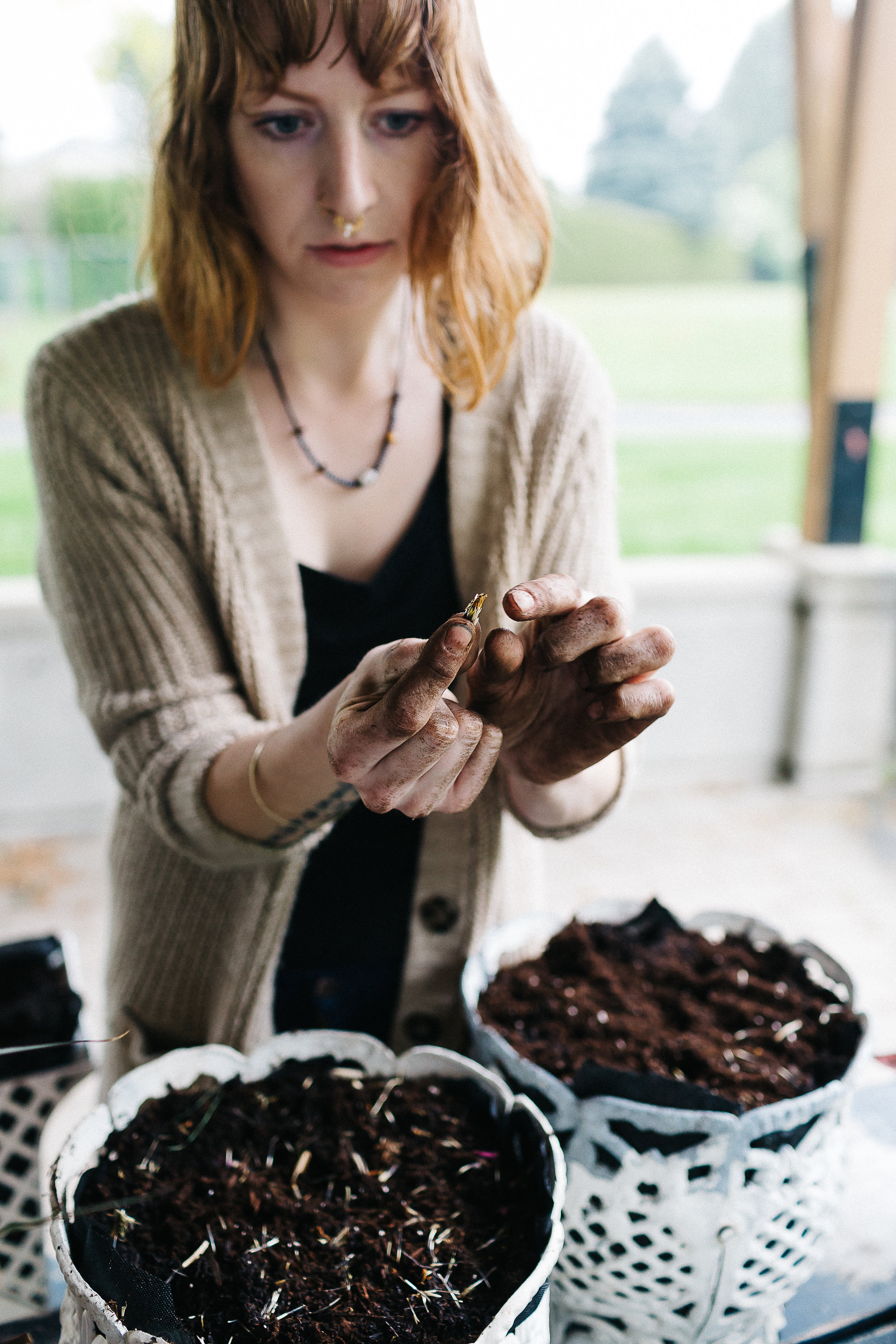
“5. This is a almost whole dried marigold and you can see where the seeds come from under the little orange petals.”

“6. It's absolutely amazing and beautiful that this old, little dried up flower will be a new blooming flower in a few weeks.”

“7. Sprinkle marigold seeds and gently massage into top of soil with tips of fingers. The seeds like to be kept close to the surface and evenly moist.”

8.

“9. Sunflower time.”

“10. Poking holes for my seeds.”

“11.”

“12. Again, 3rd generation sunflower seeds. Planting an inch and a bit into the soil”

“13.”

“14. Sunflowers need lots of sunlight and water”
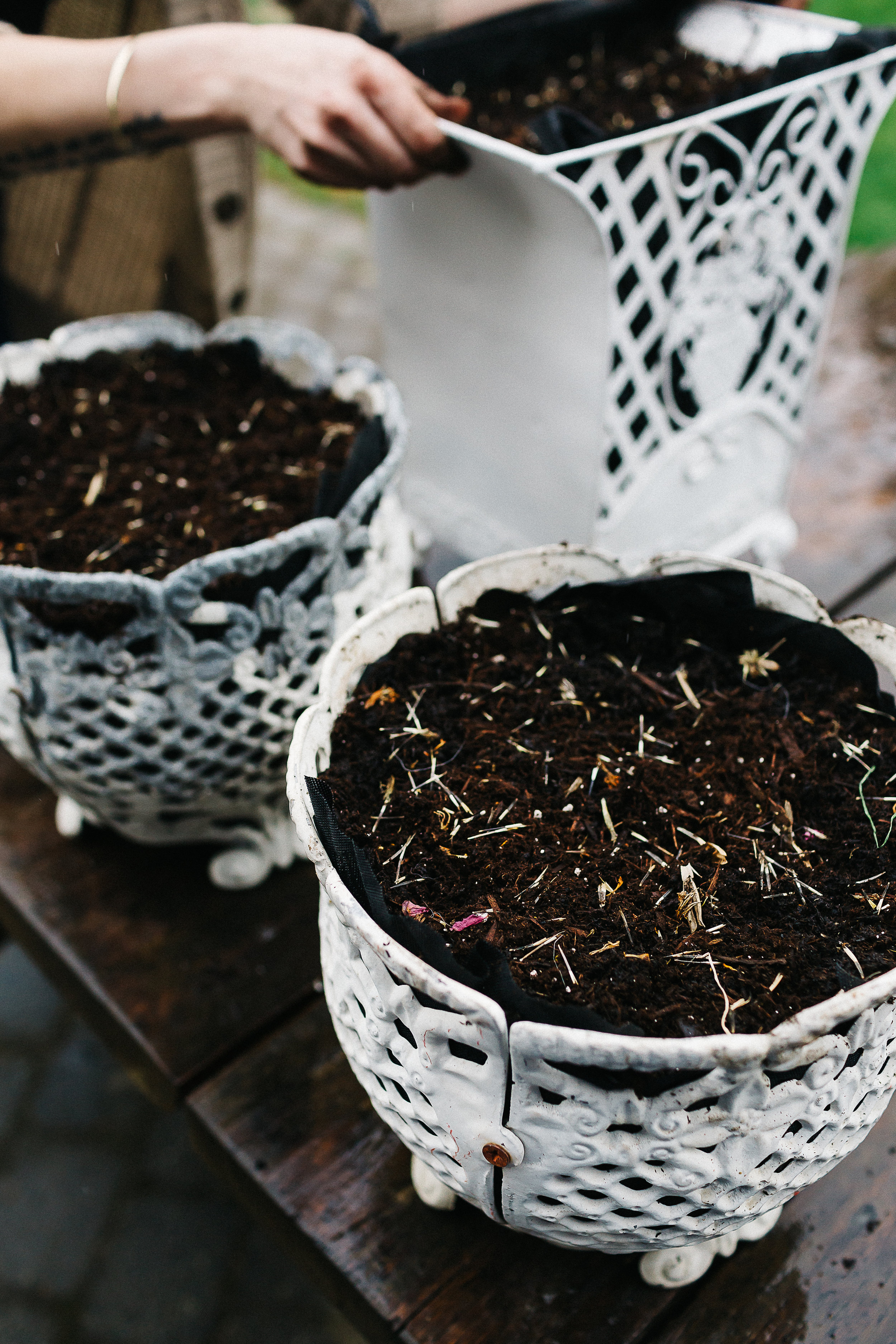
“15.”
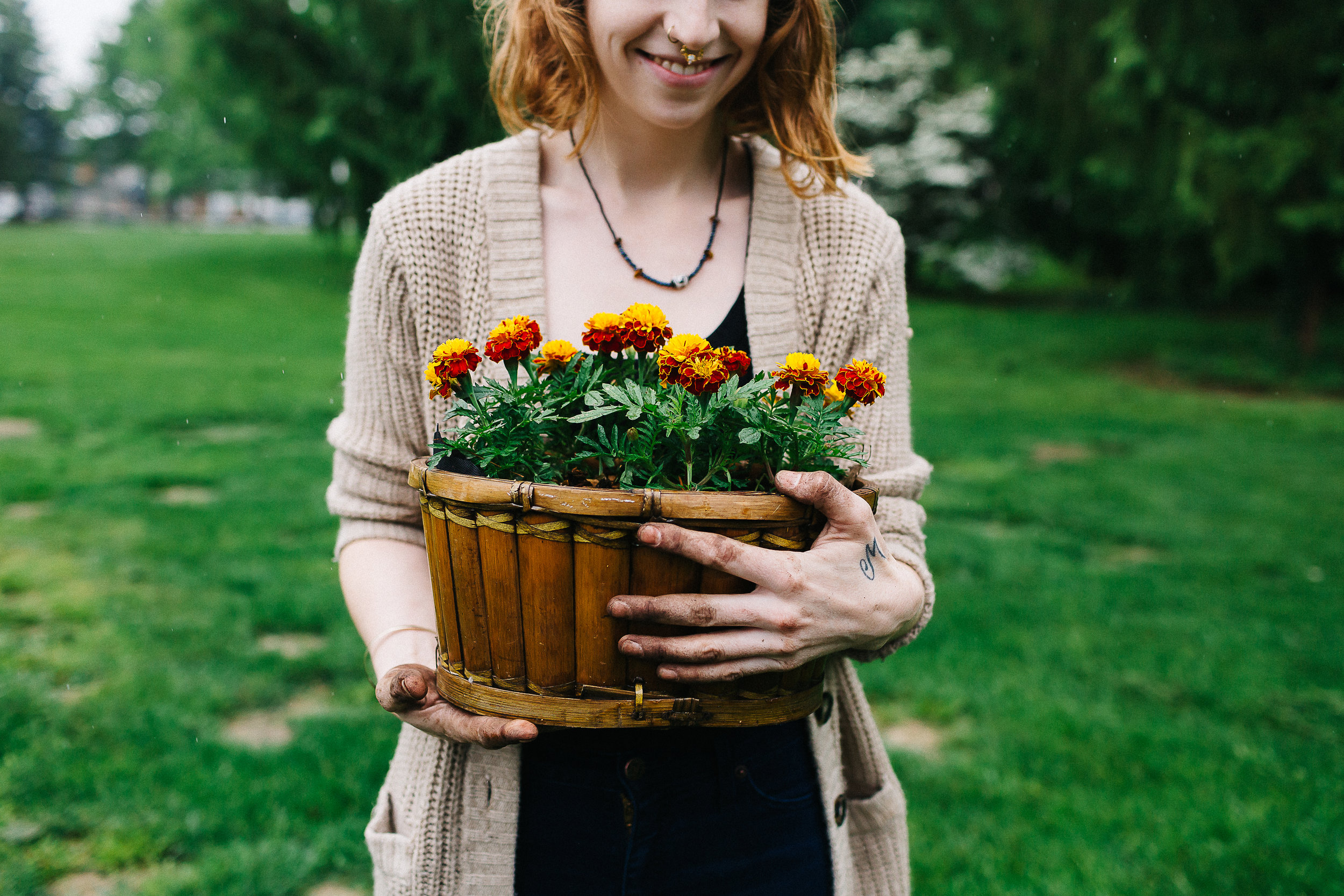
“16.”
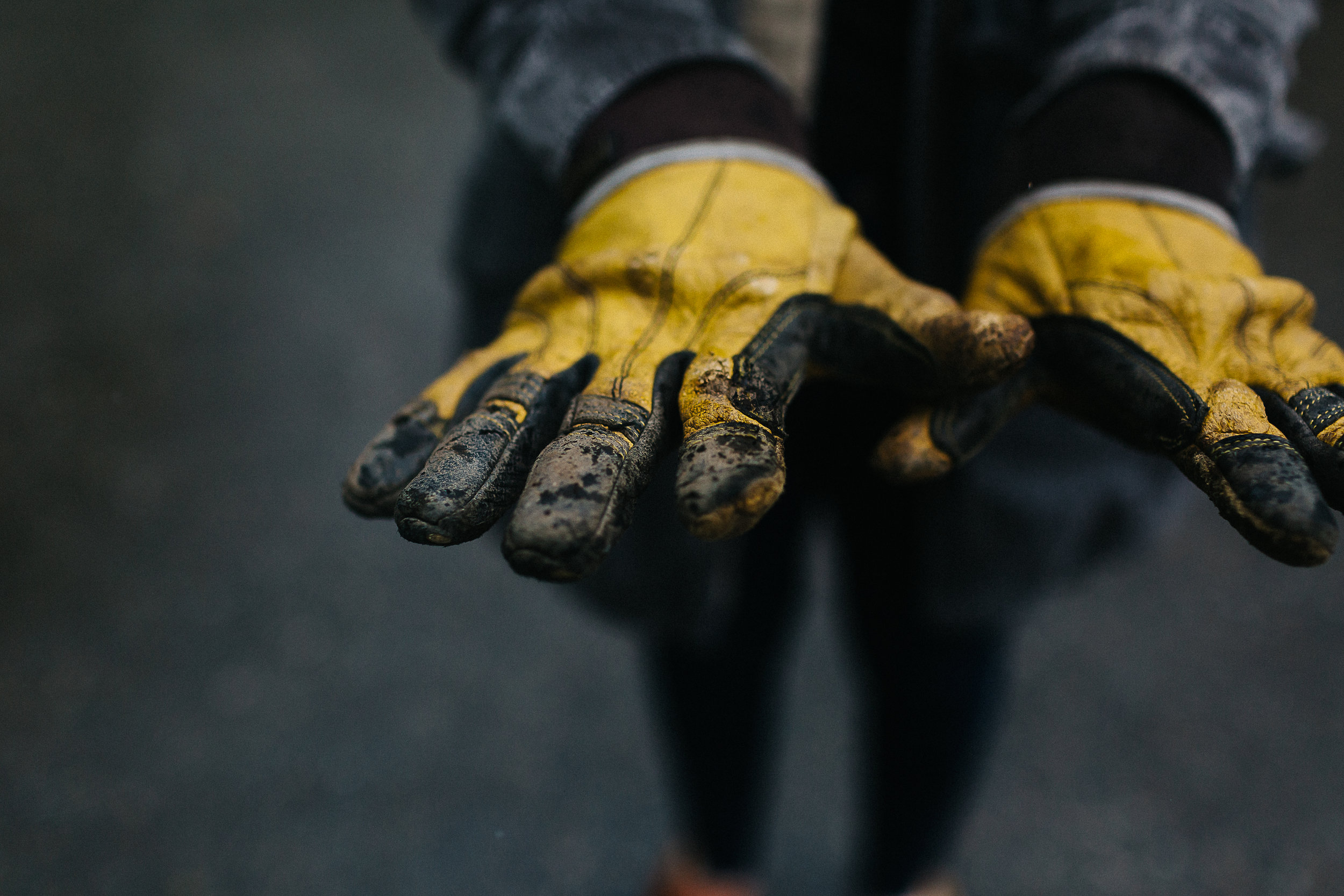
“17”

“18.”
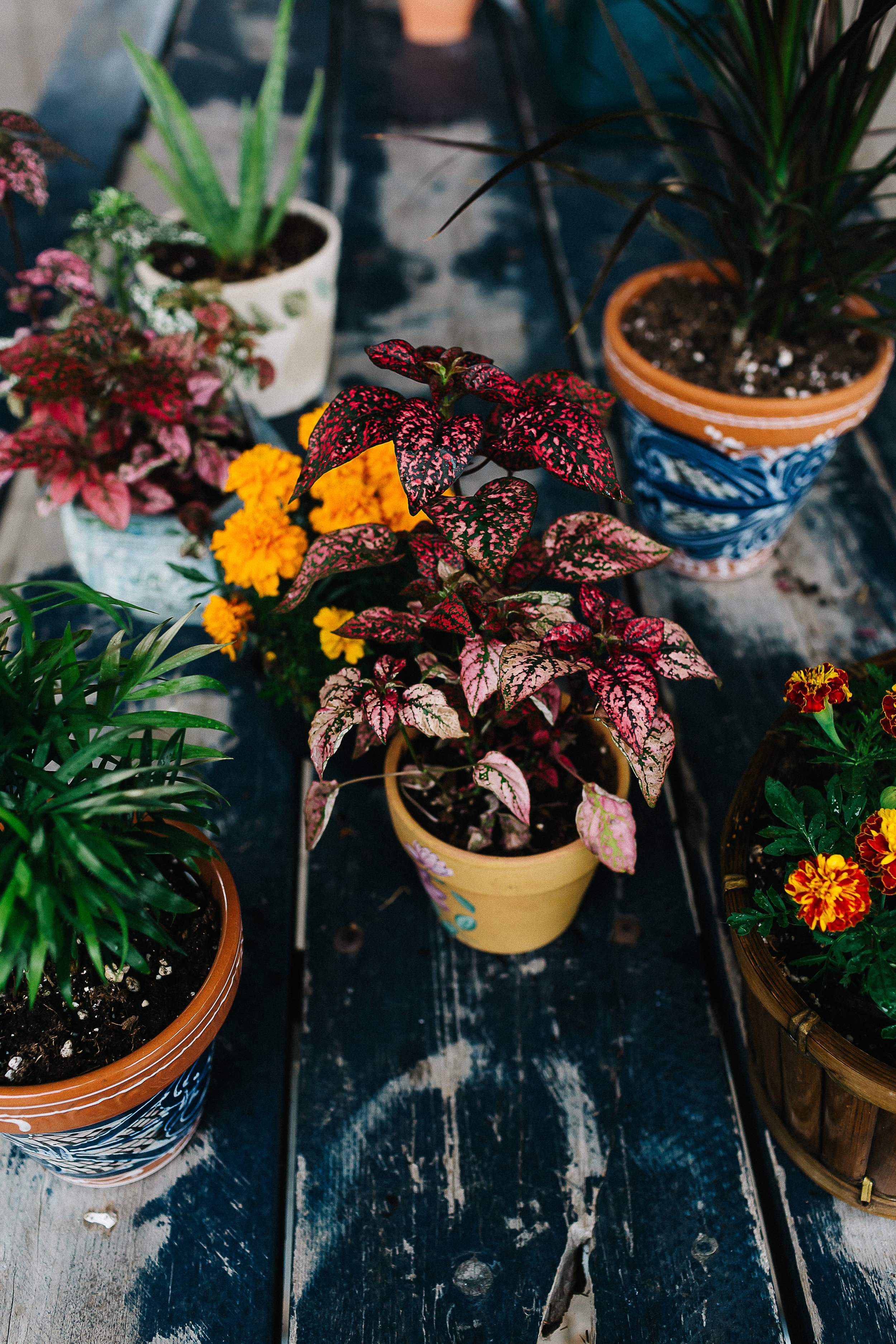
“19.”

“20.”

“21.”

“22”
How We Self Care is a small batch project happening over the next two years, sharing self care stories told from a female-identifying perspective. Each story is developed into a visual process through conversation, documented in photographs chosen by each participant, and explained in their own words. Comments, Questions, and Inquiries regarding the project are welcome!
Hailey & the Tulips | Shiverz Designs | Chilliwack Tulip Fest
I’m home from a wonderful (re)craft retreat at Tullstarr! More on this soon, but for now,…
Over a month ago I went to the Chilliwack Tulip Festival at dawn, which is a great hour to shoot for photographers. I packed the experience - meeting up first to shoot a family session, and then finishing up the hour by shooting with Hailey Hanson and Siobhan from Shiverz Designs. It was INTENSE, but we did it!
It was so interesting to see so many varied photographers in one spot, all shooting different things, all politely avoiding each other (haha) and doing their thing. It really drove home for me the fact that all of us - every single photographer - will always look at the world through their own lens - and we’ll always shoot a bit different from one another - and that’s beautiful.
Here are just a few images from our morning, on what was possibly the brightest possible morning of the year. Not pictured: the epic pancake breakfast we had afterwards with Kristina Little and her crew.
Designer: Siobhan D’Souza | Shiverz Designs
Model: Hailey Hanson



(re)craft retreat | create + collaborate | a creatives' weekend retreat in Trapp Lake, B.C.

I’m so excited to share with all of you that I’ll be running a small, laid back retreat! The weekend is about exploring the collaborative, creative process and reconnecting, recharging, and refocusing. Formerly known as the Creative Recharge & Refocusing Festival, (re)craft will be running for 3 days filled with a mix of photographers, models, makeup & hair artists, as well as people engaging with fabric arts, writing, drawing, meditative singing, smudging, and dancing.
This weekend is meant to be a space to create, collab, and take many a well-deserved nap.
Follow along on instagram through the weekend: @sarahsovereign
This first weekend is a pilot group - engaging with the collaborative process is one of the best ways I know how to learn, and I learn by doing - so just jumping in and then taking all the info and reflecting, constructively building, and seeing everything unfold is very much how I create - and really what the weekend is all about. Unspooling. Letting. Unfolding.
Here’s our mission statement: to gather in a safe & supportive space and engage with the creative, collaborative spirit, reflecting on why and how we create while exploring & reconnecting with the artistic processes that set our hearts on fire. allowing our creative selves to journey and experience the unfolding of new ideas, directions, and immersive conversations, both with others and within ourselves: to make art, for us, with one another, beyond the boundaries of mere survival.


How We Self Care: Get that Bread with Dessa Bayrock
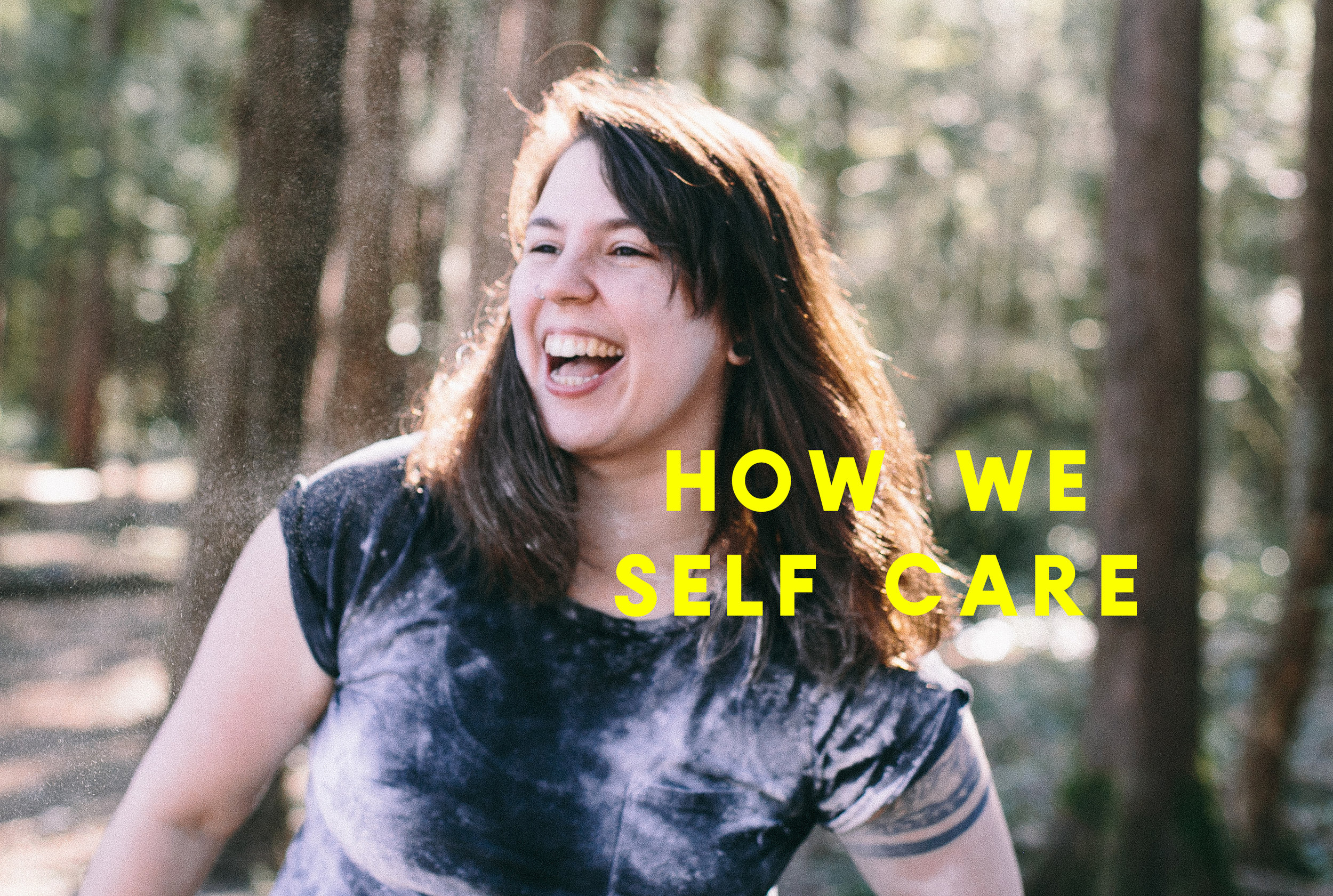
How We Self Care: A Series of Photo Essays Exploring Individual Rituals of Self Care from a Female-Identifying Perspective
“Discovering our needs and the voices of our body and spirit and what they are asking for is a unique and individual journey - and I truly believe that recognizing and giving space to listen, explore and develop this is an act of self care in and of itself. ”
I’m so excited to finally talk about this project: an ongoing series of photo essays that explore individual rituals of self care.
This project began when I started recognizing marketing around the concept of self care - especially marketing geared towards women - that seemed to summarize acts of self care as treats to be purchased, and/or overwhelming missives of things we “should” be doing to cope with expectations of busyness, the hustle, ingrained capitalism, the pressure to stay plugged in, perfect, et al. While I believe that every act of care we give to ourselves - big or small - is a triumph, I also believe that self care goes deeper. It doesn’t begin and end with self-soothing - self care is not always easy, or easily accessible to all. For example, it can also involve us nurturing ourselves through the ecosystems in which we thrive, caring for ourselves via caring for the air we breathe into our lungs, the earth that supports us, the plants that nourish us - and so much more. Discovering our needs and the voices of our body and spirit and what they are asking for is a unique and individual journey - and I truly believe that recognizing and giving space to listen, explore and develop this is an act of self care in and of itself.
The concept of this project grew from wanting to tell stories from a unique female-identifying perspective about some of the individual ways in which we engage in self care.
The first installment of this project was shot back in March with Dessa Bayrock, Katie Stobbart, and Jess Wind, as well as some dear friends from Okey Dokey Creative in a cozy Cultus Lake sunroom. Dessa was in town for a visit and travelled via plane with her sourdough starter in tow. We met in the early morning, watched the slow & soothing process of making & baking bread unfold, and then all hung out for a spell talking poetry, tarot, and art-making, ending the session in the forest.
In documenting these self care rituals, I engage with a self care ritual of my own: visual storytelling. I am often compelled to make & create projects, and being able to document processes has always brought me peace. The interesting thing to me about this project is that it engages my own desire for self care as well, but doesn’t involve purchasing a product, or a list of things I should be doing to keep up. Instead, it mingles with the parts of myself that will always be fascinated by rituals of soothing, nurturing, connection and creation - while documenting the very real and incredibly individual stories of how we define care.
This is an ongoing series, and will slowly be developing over the next year or two.
One thing that’s been very important to me in developing this project is being able to hear the stories from the subjects - and so the words to follow were written by Dessa Bayrock, a skilled writer and frequent collaborator with Raspberry Magazine and co-organizer of Riverdale: Land of Contrasts.
Get That Bread
By: Dessa Bayrock

“I thought reading would be my one big love forever, but it’s okay that big loves wax and wane like the moon, and it’s important to fill low periods of passion for one thing with some kind of revitalizing passion for something else”
Sourdough is really special to me for several reasons. I picked it up early last summer because the process of it really appealed to me — I’ve been baking on and off since I was a kid, but as I got older my sweet tooth diminished and I didn’t really like sweet desserts / classic baking as much any more, so this seemed like a really nice way to get back into baking but still create something I was super excited (and committed) to eating.
My pal Michelle had just started fooling around with sourdough and had gotten some of the “starter”, which is a wild yeast culture that sourdough is based on, from a friend of hers. Starters are really cool because, like starfish, you can take a piece out and they grow into their own full organism (if that makes sense and isn’t gross). Michelle gave me a little jar with some of her starter in it and some basic instructions and I just sort of rolled with it from there.
At first it was just this fun and hipster thing to do, in that oh-me-I-bake-my-own-bread way, but I really fell in love with it pretty seriously last fall. My whole summer and autumn was basically consumed by comprehensive exams, which are this huge hurdle in my PhD program, and I was reading and studying and stressing out twelve to sixteen hours a day. I love grad school, and I love being in my program, but it’s also really difficult to realize that I took something that I loved (reading and talking about books) and made it into something that always feels like work. I used to get home from a long day and read to relax, but after I wrote comps I was just absolutely drained. I had lost the ability to read for fun. It felt like I had lost the ability for fun, period.
Suddenly it was November, and I hadn’t baked since August, even though I was “feeding” my starter every day to keep it active and still taking care of it. I passed comps, but I was so drained — mentally, emotionally, even somehow physically — that it seemed impossible to do anything but lay on the couch and watch [N]etflix and feel tired. Sourdough was instrumental in finding that everyday joy again, in simple habits and activities that centred me and made me feel at home in my own head. It wasn’t reading, but it was good, solid work — an activity that felt productive, that had a solid result at the end. I could look at the loaf of bread and think, I made this. I did this. It made me feel like I was capable of progress and of moving forward, out of the exhaustion that grad school had sunk me into and into something that felt creative and good.
Sourdough is different for every baker, and I spent a week in January baking every day to figure out the right ratios and recipe amounts that worked for me and my kitchen and my tools. It was almost meditative to see my results every day and to adjust different parts of the process to change the end result into something more and more what I was trying to achieve. Again, it felt like a tangible sense of progress when I was lacking that in other areas of my life. And it was also a good reminder to slow down and to let things take the time that they need; the sourdough process takes two days, minimum, and parts of it just can't be rushed or jammed into a schedule. It takes a long time to rise compared to other bread, and it rises in two different stages that take twelve hours, minimum, total. It's not something that can be rushed through; it has to be planned and the starter has a specific schedule that deserves and needs respect.
One of the things I love best about sourdough is that the recipe, to create all those lovely gas bubbles that sourdough is known for, needs to be made in a double batch in order to have enough mass to ferment properly. So I was baking for myself and my partner, but my recipe makes two loaves, and I always give that second loaf away. Sometimes it’s hard to reach out to friends or people you want to see because it feels like a lot of pressure or a lot of work to stay social when life is really busy — but no one ever says no to homemade bread. It became a way to connect not only with myself but with the people I loved, friends who sometimes only lived a couple of blocks away but who I’d become separated from either through time, work, or my own exhaustion. It’s a lovely excuse to show someone you’re thinking about them and want to see them and want to care for them.
So I guess that’s the long-winded answer. Caring for my starter and my sourdough became a way to care for myself and the people around me, and I think that was really important to find and to cultivate. It started out as this funny, hipster thing to do, and turned into something that I truly love. And it also proved to me that it’s never too late to try new things and form new habits and immerse yourself in new activities; I thought reading would be my one big love forever, but it’s okay that big loves wax and wane like the moon, and it’s important to fill low periods of passion for one thing with some kind of revitalizing passion for something else. It’s cliche to say that sourdough brought me back to myself, but it’s something that I truly love and which has really honestly centred and calmed me when I needed it most.

“1. First thing's first: flour goes in the bowl. I don't own a flour scoop (sorry mom!) so I always use a mug . Which is basically a flour scoop.”

“2. I make a little well in the flour and pour the water in, and then gently start to mix with my hands.”

“3. Once the flour and water is mixed together -- a sticky process! -- it sits for a while, anywhere from ten minutes to an hour. This is called autolyse, and it's just a chance for the flour to become totally hydrated before adding the starter.”

“4. While the flour and water are getting to know one another, I use this time to measure out salt. Grinding 20g of salt by hand is surprisingly good cardio. A lot of times in cooking I find you don't need as much salt as the recipe calls for -- but with bread, you NEED that salt. Trust me, I've tried to get away with less.”

“4.1 Another angle of salt grinding. There were many opportunities to capture images of salt being ground, because it takes literally forever to grind 20g of salt.”

“5. Once the flour is well-hydrated, I pat it down and make another little well in the middle. This will help keep things contained when I add the salt and starter.”

“6. Here I add my precious ground salt to the flour and water mixture after it's had some time to do its autolyse magic.”

“7. Once the salt is ground and the flour and water have been hanging for a while, it's time to add the starter, which is a live yeast culture that lives in a jar on my counter. I feed it flour and warm water every day, and in return it lets me use some of its body to make bread! Which is kind of weird but also kind of great.”

“8. An important step: flouring your work surface, especially a wooden table like this one, as well as you can. The last thing you want is a sticky bundle of dough spreading into that grain and refusing to come out.”

“9. Usually I put the emptied starter bowl in the sink to soak right away, because otherwise it can be a bit of a pain to clean. I won't need the bowl or the salt again, but it's always good to keep some extra flour nearby in case the dough is too sticky.”

“10. Then the dough starts to come together; it needs a good knead for about ten minutes.”
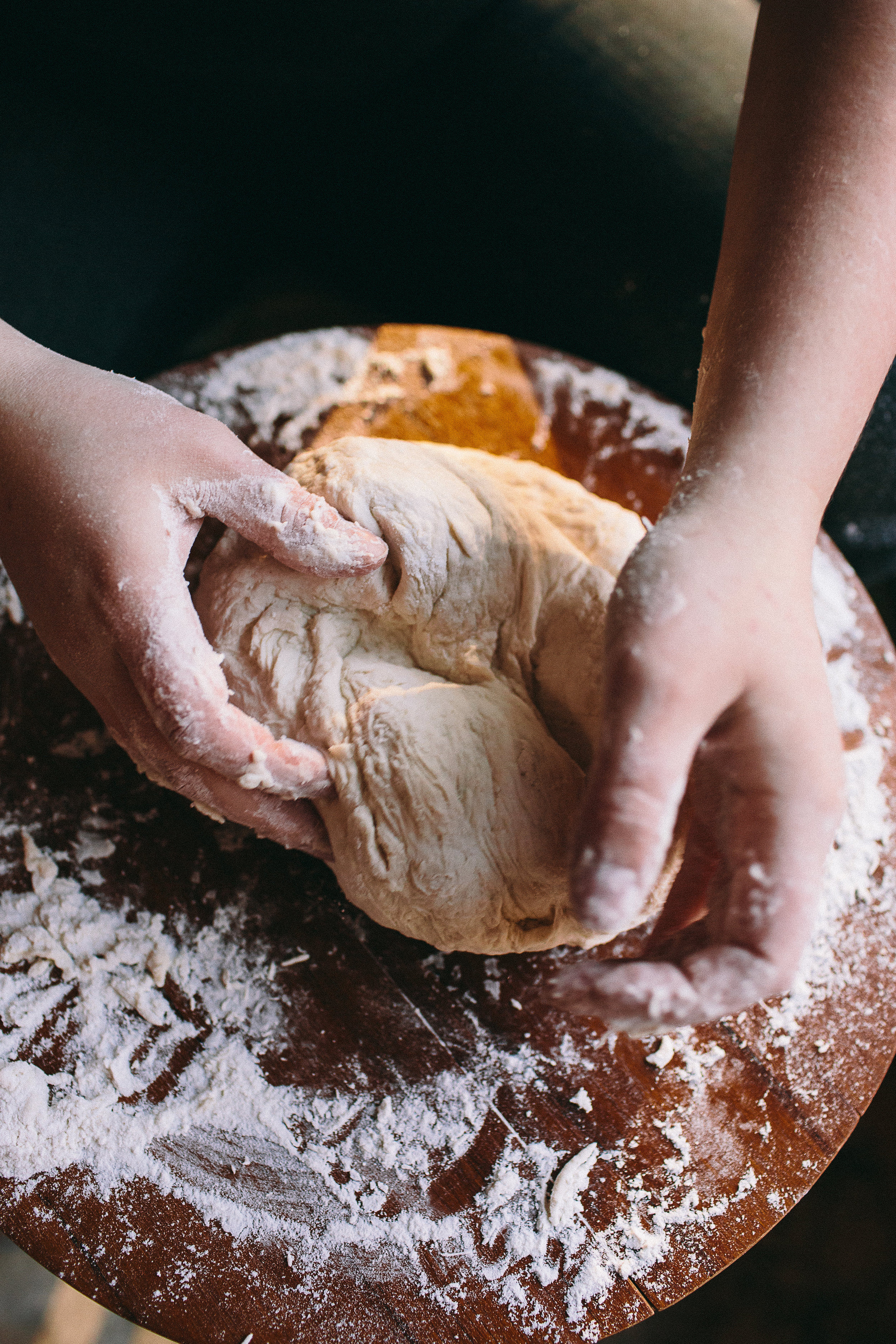
“11. Over time, the texture of the dough becomes less sticky and begins to hang together in a soft, pillowy, supple ball.”

“11.5 After the dough has risen to twice its original size, it gets shaped into loaves (not pictured -- we didn't have time to wait three hours for this to happen!) and goes for a cold proof in the fridge, usually overnight (also not pictured). This gives the loaves a bit of a tougher skin, which makes it easier to make lovely slash marks in a pattern on the loaf. All you really need is one good slash through the middle; this lets steam escape from the loaf as its baking. If you don't slash a loaf, the steam will escape through the path of least resistance, which sometimes makes these lovely break patterns on the top of the loaf, but sometimes means it breaks through the side or the bottom of the loaf, so slash patterns are generally more dependable.”
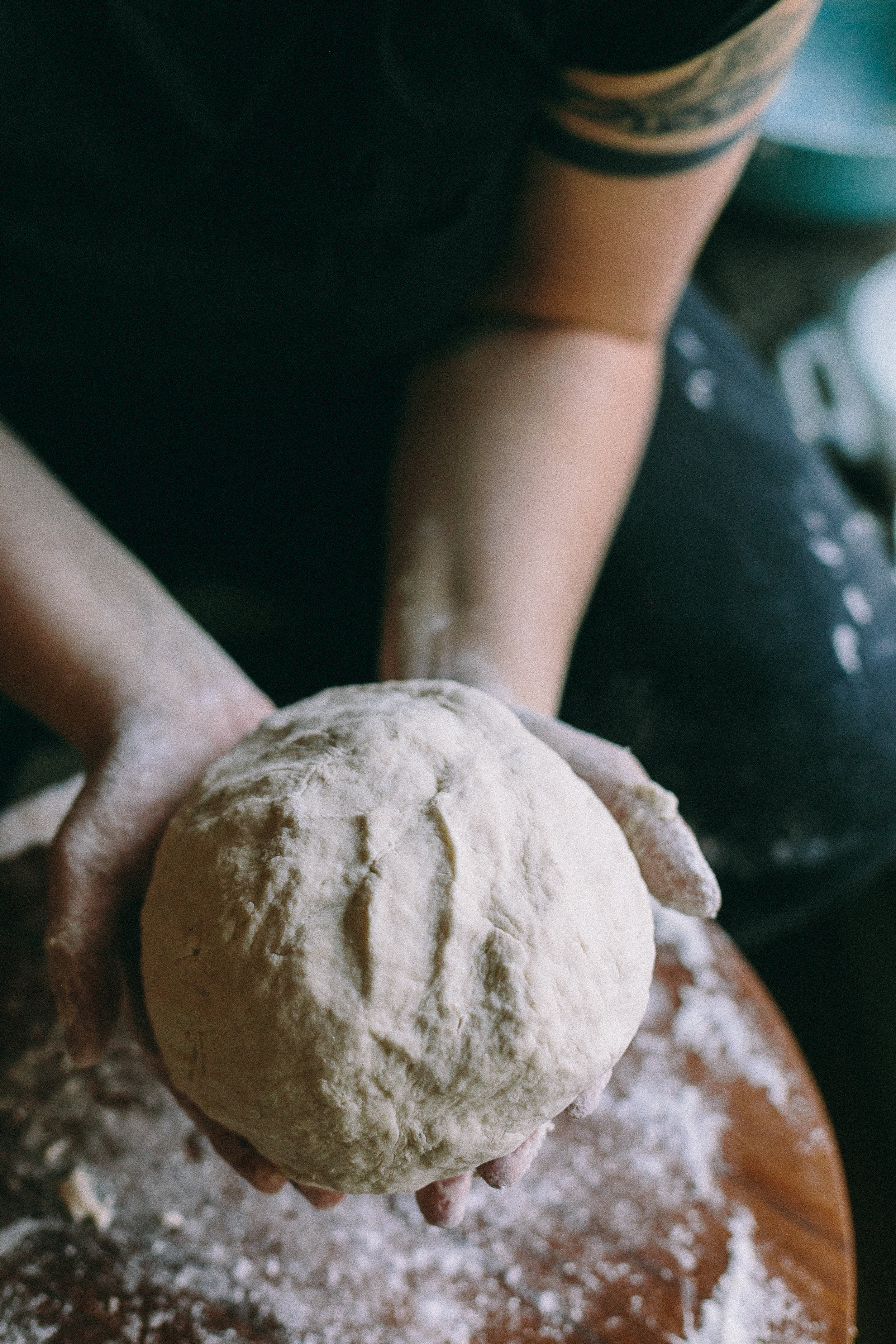
“12. The finished ball! This little guy goes in an oiled bowl to rise for three to six hours, at which point it gets shaped into loaves.”

“12.5. After its cold proof and a good slash, the loaf goes into the oven for 45 minutes in a dutch oven, and then it's ready to eat!”

“13. It also smells really good at this point.”

“14. Here I'm making fun of how flat this loaf turned out -- usually they get a little more air! This was tough because it was the first batch I baked in BC, so I hadn't yet adjusted my recipe for the difference in humidity / warmth. Luckily, still delicious. Even bad loaves are good loaves.”
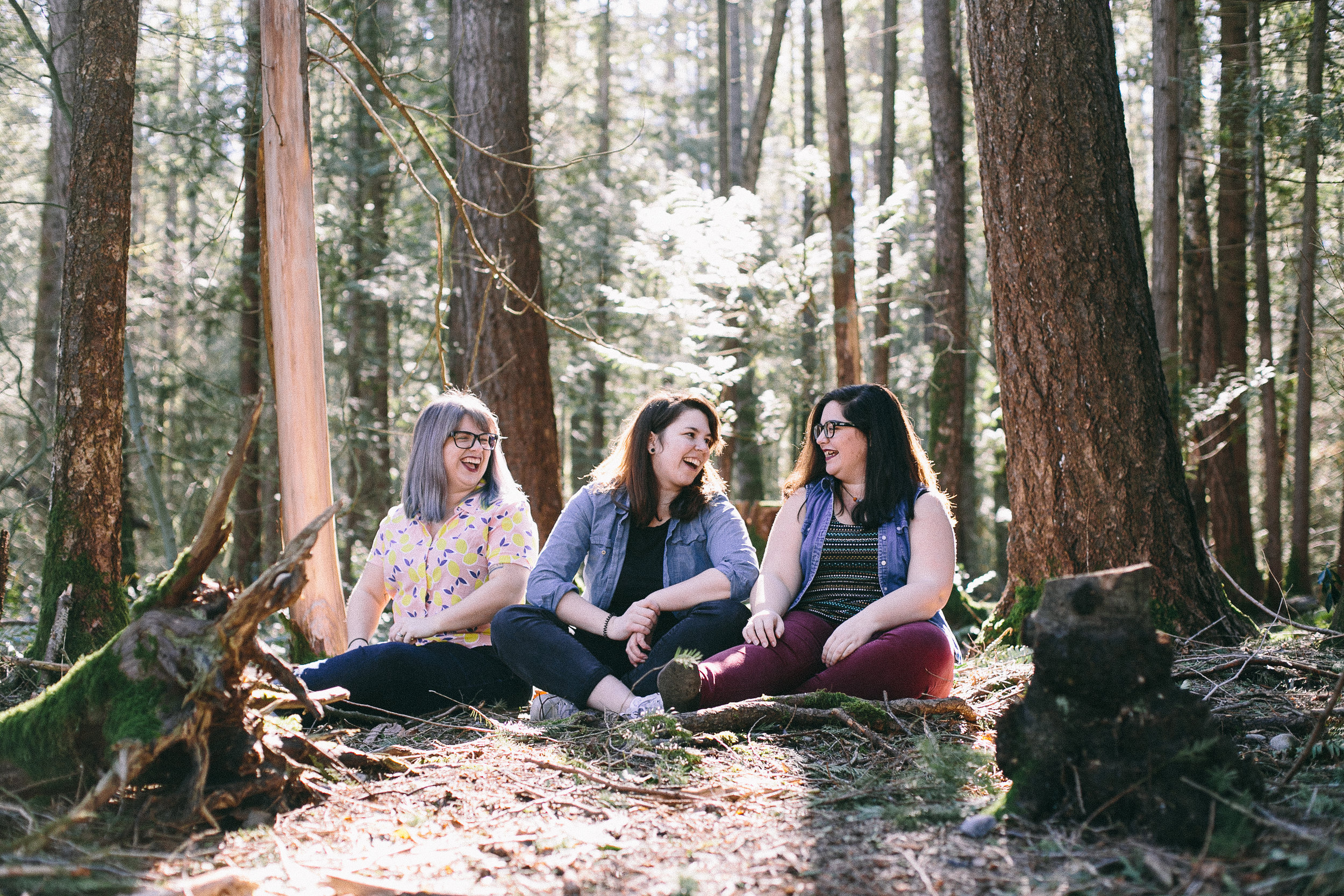
Sarah Note: At this point we all headed for the forest, where good friends could share the gift of a nourishing loaf of homemade bread and some time with the trees.

A halfheartedly updated record of all the things that make my heart sing + a celebration to all the rad people I get to create with






Past Posts
- (re)craft retreat
- 24 Hour Portrait Project
- At Home
- Beauty
- Business
- Community
- Creative
- Family
- How We Self Care
- Joy
- Lifestyle
- Love
- Makers Gonna Make
- Maternity
- Narrative Photography
- Personal
- Portraits
- Projects
- Recipes
- Recraft: Workshops
- Road Trip
- Shop
- Sourcing Joy
- Things I Love
- Updates
- Visual Storytelling
- Wild Spirit